
Choosing a digital picture frame for your wall can feel surprisingly complicated once you start comparing models, and real user feedback shows that satisfaction hinges on a handful of practical details rather than flashy marketing claims. Rather than chasing the most expensive option, shoppers who take a moment to think through their own habits and living space tend to end up happier with their purchase, which is why a proper buying guide matters more than a quick glance at star ratings.
In short
- Users are more satisfied with wall-mounted digital frames when they prioritize screen size—ideally at least 21 inches—and high pixel density for better image clarity.
- Selecting the right finish, such as matte over glossy, is essential to minimize reflections and improve the viewing experience in rooms with natural light.
- Advanced display technologies like IPS panels are highly valued because they provide consistent, vibrant colors from various viewing angles.
- Reliable Wi-Fi connectivity and intuitive remote management apps are considered non-negotiable features for easily updating photo collections without removing the frame.
- Long-term satisfaction depends on device responsiveness and sufficient storage capacity, as users dislike slow interfaces or the need for constant file management.
- Versatile mounting solutions, orientation flexibility, and aesthetic frame materials like wood or aluminum help the device integrate naturally into home décor.
Display quality and technical specifications that matter most
The screen is the heart of any digital frame, and users consistently report that skimping here leads to disappointment. Reviewers who did their homework before buying tend to mention screen size as their first consideration, with many suggesting a minimum of 21 inches to properly showcase photos on a wall rather than a shelf. Beyond size, the pixel density plays a huge role in perceived sharpness, so a higher PPI is generally worth paying extra for. The aspect ratio is another detail that often gets overlooked until it causes cropping headaches, since 16:9 is the most common format but doesn't always suit traditional photographs shot in different proportions.
Screen Resolution and Size: Finding the Right Balance for Your Space
Buyers who measured their wall space and thought about viewing distance before ordering reported far fewer regrets than those who bought impulsively. A frame that looks fine in a product photo can feel undersized once mounted, so matching the screen to the room is essential. Finish also matters, as a glossy surface can create reflections near windows or bright lamps, while a matte finish tends to perform better in naturally lit rooms.
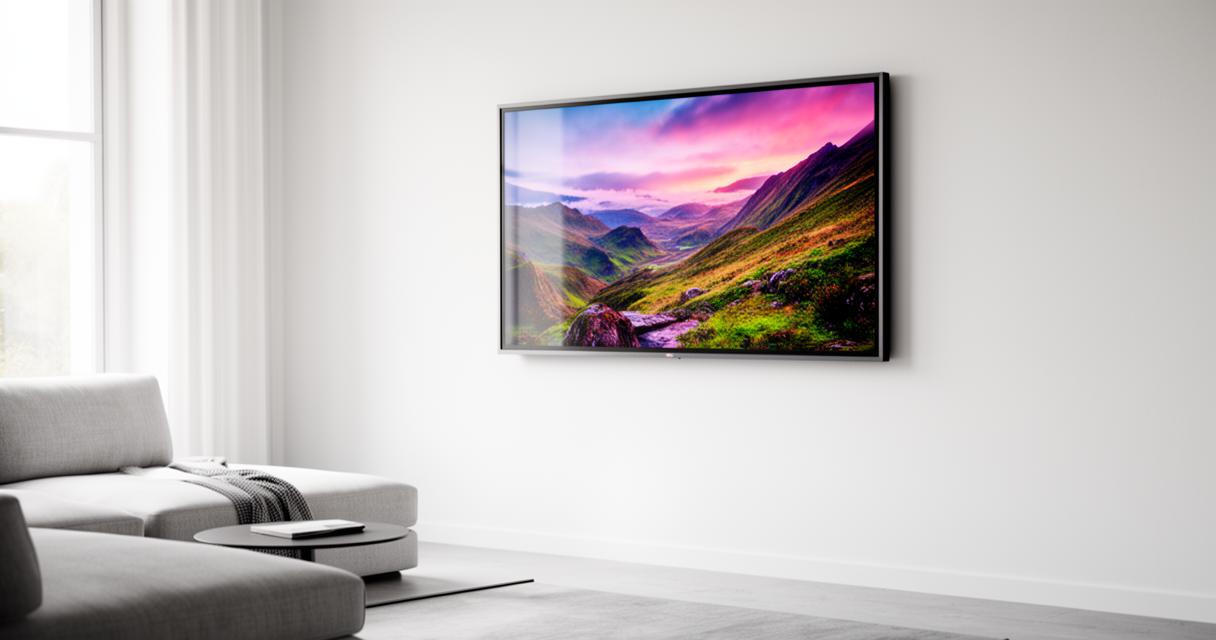
Ips technology and viewing angles: why display type affects user experience
Many satisfied owners point to display technology as the deciding factor between a frame that feels premium and one that disappoints from the side. Panels offering wide viewing angles allow the picture to remain vibrant whether you're standing directly in front or passing by at an angle, which is particularly important for wall-mounted units that people view from various positions throughout the day.
Connectivity and storage features that drive positive reviews
Since these devices essentially function as small computers, users often judge them the way they would judge any piece of computer hardware. This means fan noise, processing speed, and general responsiveness all factor into satisfaction, and a frame that hums audibly or lags when switching images quickly loses favour, even if its screen is excellent.
Wi-fi capabilities and remote photo management: modern convenience users expect
Reliable WiFi capabilities have become almost non-negotiable for modern buyers, since nobody wants to remove a frame from the wall just to load new pictures. Owners who praised their purchase most enthusiastically tended to highlight smooth image uploading, straightforward apps, and compatibility with third-party libraries such as cloud photo services. Features like customisable transitions and the ability to build playlists of favourite images also came up frequently, alongside a general appreciation for ease of control through a simple remote or smartphone app.
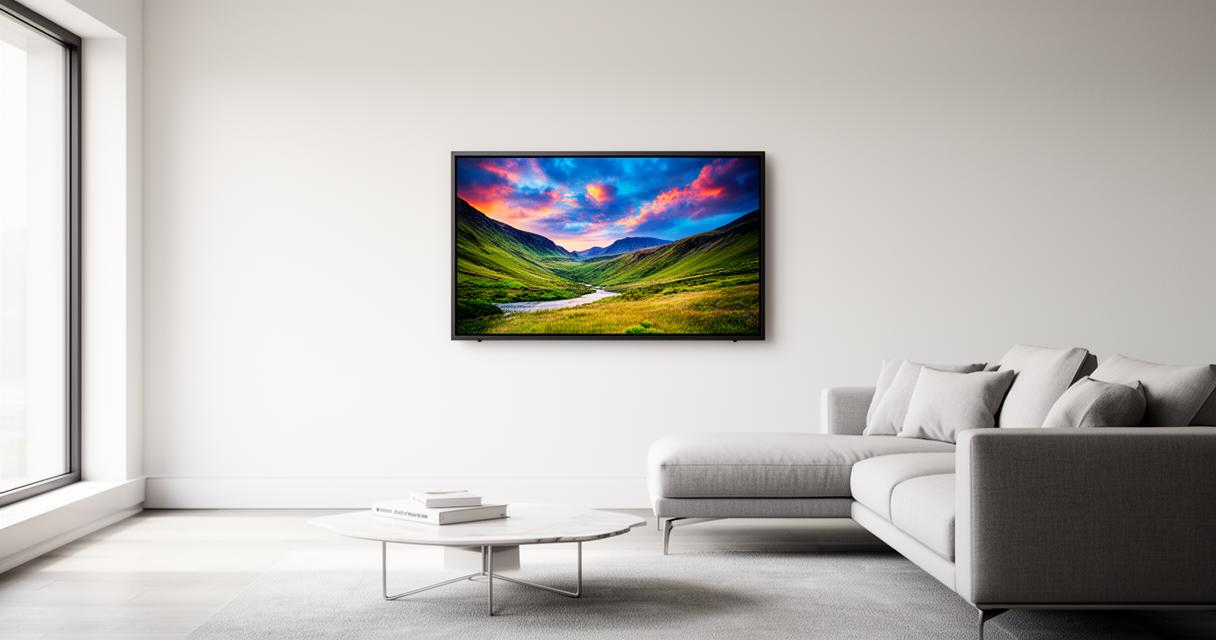
Memory Capacity and Storage Options: Ensuring Space for Your Entire Collection
Storage capacity is another area where expectations and reality sometimes clash. Frames with generous internal memory or support for external storage tend to earn better reviews, particularly from users with large photo and video collections who don't want to constantly manage what stays and what gets deleted. It's also worth checking whether a manufacturer's service requires a subscription, as ongoing fees for cloud storage can turn what seemed like a bargain into a recurring cost.
Design Elements and Practical Considerations for Long-Term Satisfaction
Beyond the technical side, plenty of feedback centres on how a frame looks and fits within a home. A device that performs brilliantly but clashes with the surrounding décor rarely earns a five-star review, so aesthetics genuinely matter to long-term satisfaction.
Orientation Flexibility and Mounting Solutions: Versatility in Display Options
Flexibility in orientation, allowing a switch between portrait and landscape, was repeatedly praised by users who like to display a mix of photo types. Good wall mounting hardware also matters, and thoughtful cabling aesthetics, including the option of flat cables, help the frame blend seamlessly into a room rather than looking like an obvious gadget with wires trailing down the wall.
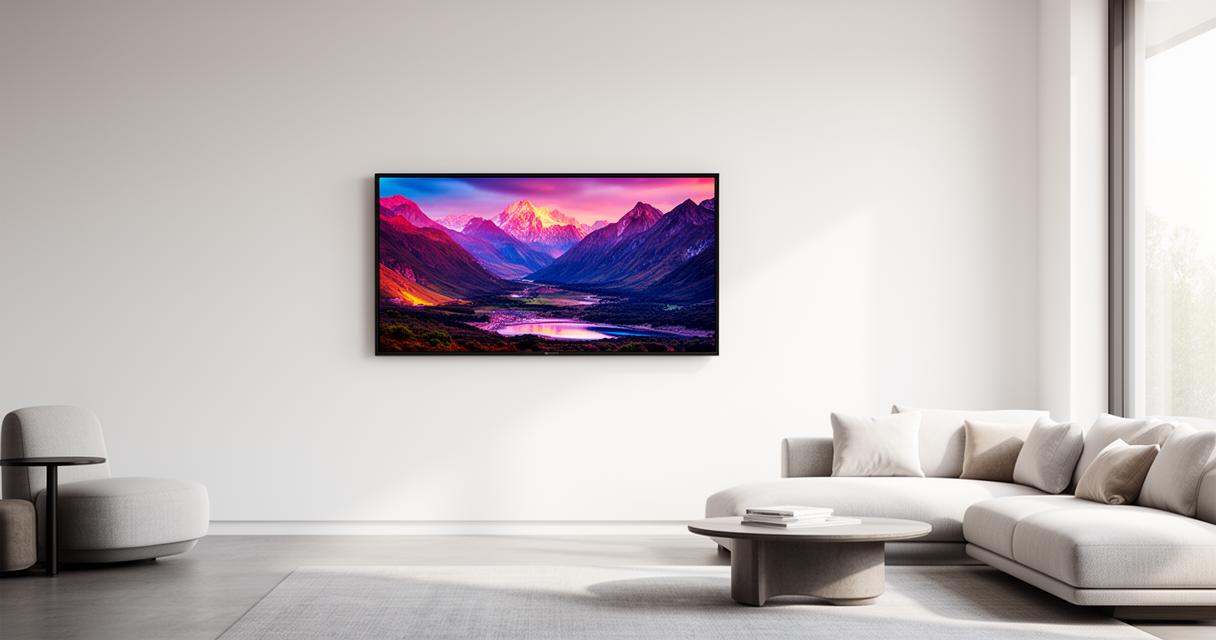
Material Quality and Aesthetic Appeal: How Wood and Oak Frames Enhance Home Décor
Frame material has a surprising influence on satisfaction, with choices ranging from aluminium and plastic through to warmer options like wood or oak. Buyers furnishing a more traditional or rustic space often gravitate towards oak framing for its natural texture, while those with a modern interior might prefer sleek aluminium. The presence of a mat, subtle colour choices, and how discreetly sensors or buttons are hidden all contribute to whether a frame feels like a genuine piece of décor rather than an obvious screen bolted to the wall.
Energy consumption is a smaller but still relevant factor, with typical 21 to 24 inch frames drawing around 10 to 20 Watts, translating to roughly one to three dollars a month in running costs. While this won't make or break most buying decisions, it's the kind of detail that thorough reviewers appreciate seeing addressed upfront. Ultimately, feedback across the market points to one consistent theme: the best frame is a subjective choice, shaped by personal priorities, room aesthetics, and how a person actually intends to enjoy their photos day to day.