
When it comes to setting up a reliable television system at home, choosing the right satellite dish can feel like a daunting task. Whether you are a first-time buyer or looking to upgrade an existing setup, understanding the different types of dishes on the market and what they are likely to cost is an essential first step towards enjoying excellent satellite reception at home.
At a glance
- Traditional solid parabolic dishes are the most common choice in the UK due to their high antenna gain and durability in typical climates.
- Perforated mesh dishes are ideal for windy or exposed locations as they reduce wind load on mounting brackets while maintaining good signal performance.
- Selecting the appropriate dish size is crucial, with larger models often required in northern regions to compensate for weaker signal strength.
- Multi-LNB configurations allow households to access multiple satellite signals from a single dish, offering an alternative to more complex motorised systems.
- Installation costs vary based on dish complexity, mounting accessibility, and the need for high-quality, weather-resistant materials for long-term reliability.
- Professional alignment using dedicated signal meters is essential to ensure optimal reception and prevent signal loss caused by manual adjustment errors.
- While satellite systems require a higher initial investment than terrestrial aerials, they provide access to a significantly wider range of international and high-definition content.
Exploring the Main Types of Satellite Dishes
The world of satellite dish installation offers a broader range of options than many people realise. From solid parabolic reflectors to lightweight portable units, each design has been developed with particular environments and requirements in mind. Before committing to a purchase, it is worth understanding how these categories differ and which is best suited to your property and viewing habits. Indeed, selecting the correct dish from the outset can make a significant difference to long-term signal strength and overall enjoyment of your home entertainment system.
Standard solid dishes for reliable everyday reception
The traditional parabolic solid dish remains the most widely used option for domestic satellite installations across the United Kingdom. These dishes are constructed from pressed steel or aluminium, giving them excellent rigidity and a smooth reflective surface that focuses incoming broadcast signals onto the LNB with high efficiency. For most households in the UK, a dish in the region of 60 to 80 cm is considered adequate, though properties further north — in northern Scotland, for instance — may benefit from a larger 80 cm model to capture weaker signals reliably.
The solid dish is appreciated for its antenna gain, which is generally higher than alternative designs, making it particularly well suited to locations where the satellite signal is marginal or subject to interference. Its robust construction also means it stands up well to the typical British climate over many years. Industry guidance suggests that a well-installed dish can remain in service for well over a decade, which compares favourably with the cost of repeatedly upgrading streaming hardware.
Perforated Mesh Options for Windy and Exposed Locations
For properties in exposed or elevated positions — a hilltop cottage, a coastal home, or a rural farm — a perforated mesh dish offers a practical alternative. The mesh design allows wind to pass through the dish rather than pushing against a solid surface, dramatically reducing the load on the mounting bracket and wall fixings. This matters considerably in parts of the country that regularly experience strong winds and storms.
While the mesh dish does offer slightly lower antenna gain compared to a solid reflector of equivalent size, modern mesh designs have closed much of this gap. The key mounting options for these dishes remain broadly similar to solid dishes, and they are compatible with the same range of LNBs and receivers. For many households in exposed Scottish or Welsh locations, the mesh dish represents the most sensible long-term choice, balancing performance with structural resilience.
Specialist equipment and advanced technology
Beyond the two standard categories, the satellite market has developed a range of more specialised solutions designed to address specific viewing needs. These include dishes engineered for particular regional footprints as well as multi-LNB configurations that allow a household to access several satellites simultaneously, greatly expanding the range of available programming.
Zone-Specific Dishes for Regional Coverage and Clearer Feeds
Digital television via satellite is delivered across Europe from a series of satellites positioned in geostationary orbit above the equator, each broadcasting on specific frequencies and covering defined geographical footprints. In practice, this means that the dish size and orientation required to receive a clear signal can vary significantly depending on where in the country you live. A smaller 45 cm dish may suffice in parts of southern England where the satellite signal is strongest, whilst viewers in more northerly regions will need a larger dish to compensate for the shallower angle and weaker signal.
Choosing a dish that is properly matched to your region ensures that you receive the best possible HD content without resorting to additional amplification. Flat-panel antenna designs have also begun to appear in urban settings, offering a lower-profile alternative that is easier to install in tight spaces, though they generally provide lower gain than a conventional parabolic model of the same size.
Multi-lnb setups for accessing multiple broadcasts
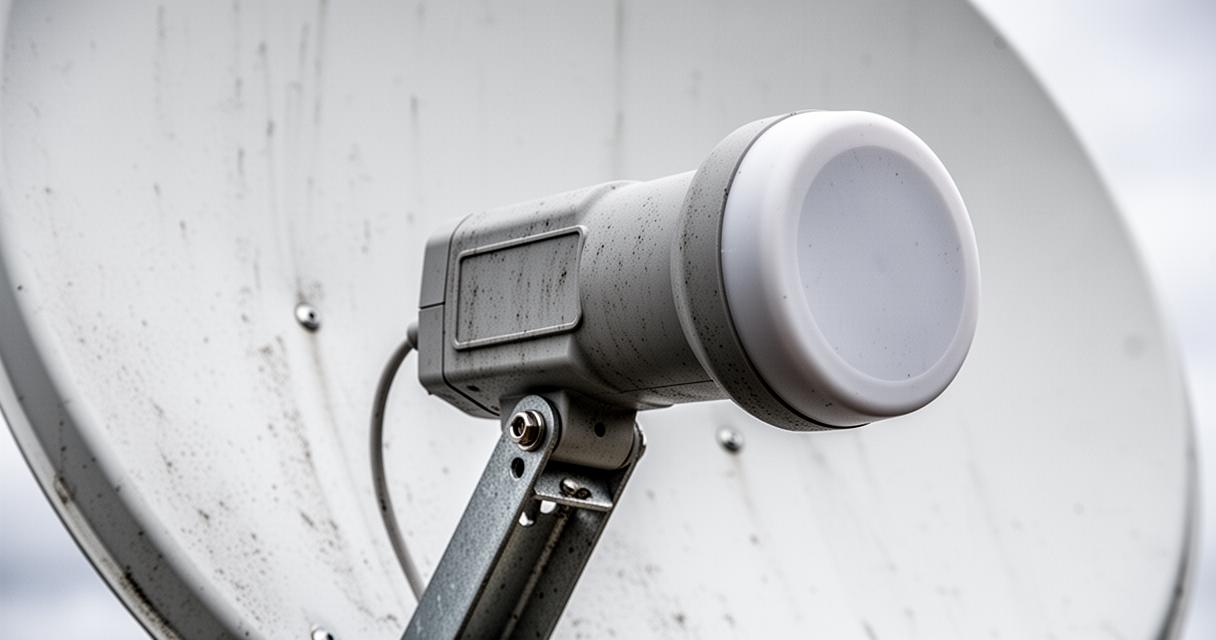
For viewers wishing to access programming from more than one satellite position — international channels, for example, or feeds from different orbital slots — a multi-LNB configuration provides an elegant solution. Rather than installing multiple dishes, a single dish is fitted with two or more LNBs positioned at angles calculated to capture signals from adjacent satellites simultaneously. LNB compatibility is a crucial consideration here, as the LNBs must support the correct frequency band and polarisation type for each target satellite.
Motorised dishes offer an alternative approach, allowing the dish to track across the sky and point at different satellites in sequence. However, specialists generally advise avoiding motorised systems unless a household genuinely needs to access more than three distinct satellite positions, as the additional mechanical complexity increases both cost and the risk of long-term failure. For those who do require this flexibility, motorised dishes are undeniably powerful tools for accessing a wide variety of international programming and live content from around the world.
Understanding the Costs of Your Installation
Any decision about satellite dish installation must take account of the full financial picture, encompassing both the equipment itself and the labour required to fit it correctly. While it can be tempting to focus solely on the upfront cost of the dish, the long-term value of a professional installation that delivers consistent signal strength should not be underestimated.
Equipment purchase expenses and materials
The cost of a satellite dish varies considerably depending on its size, construction and specification. Compact entry-level dishes are available at relatively modest prices, whilst larger, more sophisticated models with premium materials and advanced features command a higher outlay. Portable and auto-tracking satellite systems, which are increasingly popular for use in motorhomes and boats, sit at the upper end of the price spectrum given the engineering complexity of their satellite tracking mechanisms.
Beyond the dish itself, a complete installation requires a compatible LNB, appropriate cabling, wall fixings, a mast or bracket, and in many cases a satellite receiver or set-top box. Weather-resistant materials are strongly recommended for all external components, as exposure to rain, frost and UV light will degrade inferior fittings over time. Skimping on mounting hardware is a false economy: a bracket that fails in a winter storm can cause damage far exceeding the original saving.

Professional installation fees and alignment charges
The cost of professional installation is influenced by a number of factors, including the complexity of the job, the height and accessibility of the mounting position, and whether any additional cabling or signal distribution work is required. A straightforward single-dish installation on a standard two-storey property will naturally cost less than a multi-dish or multi-room setup requiring cable runs through walls and ceilings.
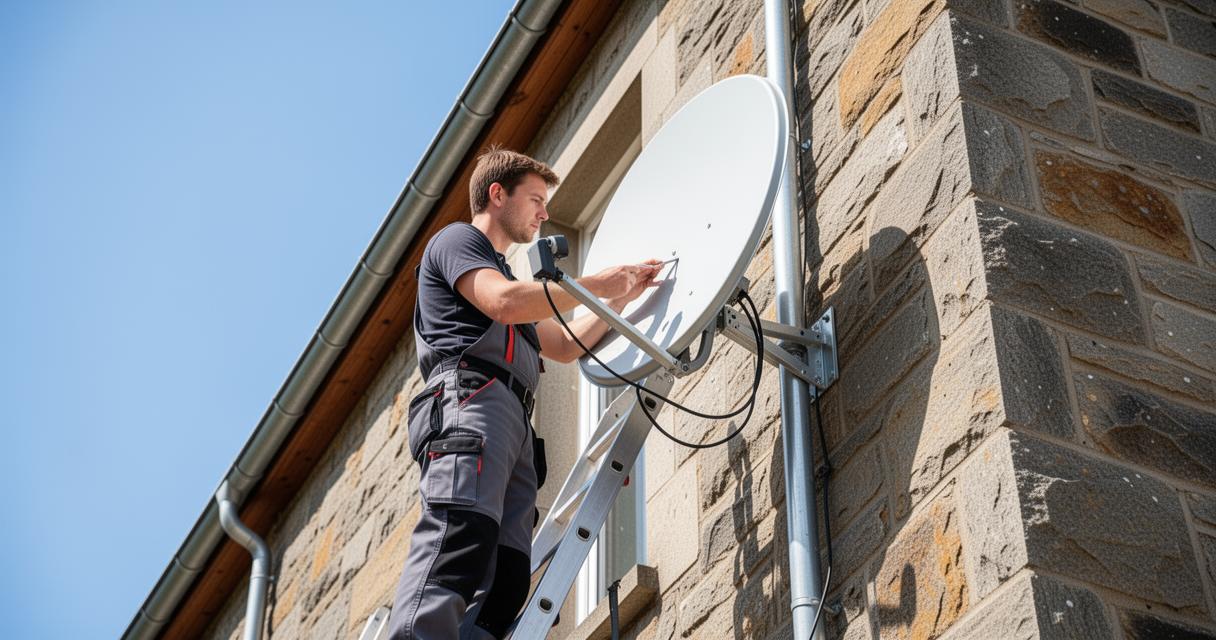
Precise alignment is one of the most critical aspects of the job. Even a small deviation in the dish’s pointing angle can result in a noticeable drop in signal quality or, in marginal locations, a complete loss of picture. This is why professional alignment, using a dedicated signal meter, is worth the additional outlay rather than relying on rough manual adjustment. It is also worth noting that in most cases, planning permission is not required for dishes under 1.2 metres, though it is always advisable to check local regulations before proceeding.
Comparing satellite versus aerial installations from a cost perspective, TV aerial systems tend to involve lower installation fees and carry no ongoing subscription costs, offering access to Freeview channels via terrestrial television transmitters. Satellite systems, by contrast, involve higher initial outlay and may require a subscription for premium content, but they open the door to a far wider range of channels, including international programming and high-definition feeds that are simply unavailable over the air. The right choice ultimately depends on your viewing priorities, your location, and how you balance upfront cost against long-term value.